How to avoid unexpected end-of-lease fleet vehicle costs
Work vehicles are the lifeblood of many landscaping businesses, but when leasing your fleet are you aware of what modifications you can make to them?
 You rely on your work vehicle day in, day out, so you want to make sure it’s set up to work perfectly for your unique needs. This often means adding modifications, branding, or specialist equipment. So, it’s not surprising that questions often arise about what you can add, what you need to get approved, and what responsibilities you carry when the rental period ends. The good news is that there’s a vast range of customisation possibilities, with no limits on what can be modified, and all customisation costs can be incorporated into your monthly rental payment, making any investments into your vehicle modification easy to spread over time.
Why modify a rental vehicle?
Many businesses choose to rent vehicles long-term rather than buy outright because it offers flexibility, lower upfront costs, and the ability to upgrade or scale your fleet easily. However, a rented vehicle straight from the factory may not always meet your operational needs right away. Adding shelves, racks, ramps, tail lifts, or signage can transform a standard van into a fully functional mobile workspace and advertisement platform.
But since the vehicle is not owned by you, it’s important to understand the boundaries around modifications. Improper changes can cause damage that might result in repair fees or penalties when you return the vehicle. That’s where your fleet supplier, such as Herd Group, can provide expert advice and tailored solutions to ensure your modifications are both effective and compliant.
Customisation without limits
- Signwriting and vehicle branding
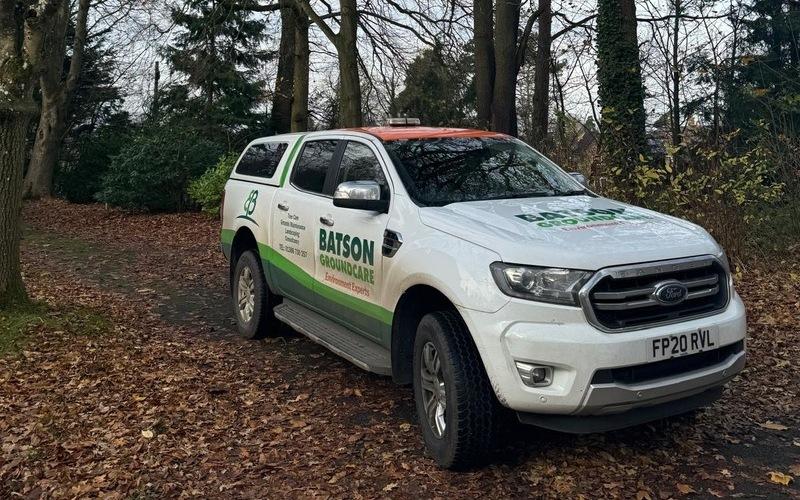
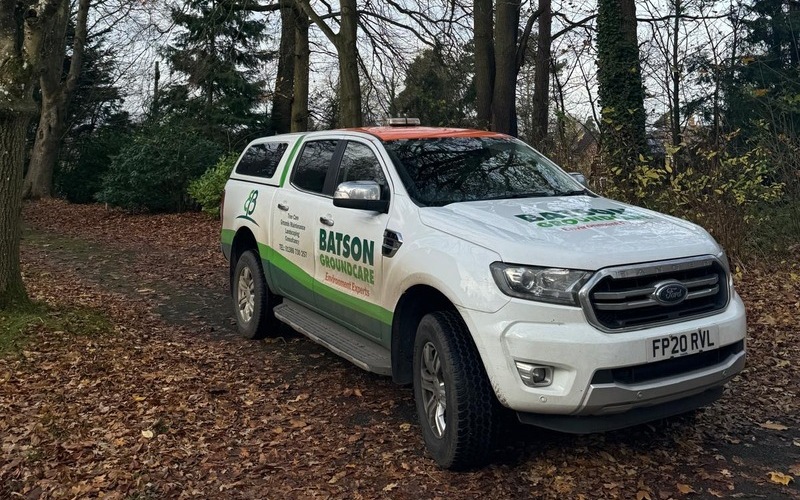
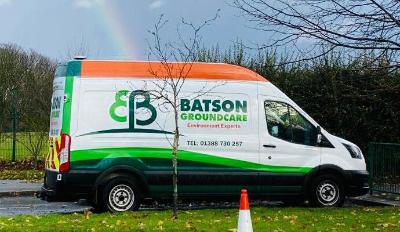
Branding your vehicle with your company’s logo, contact details, or promotional graphics is a popular and effective way to increase visibility. At Herd Group, we frequently arrange vinyl signwriting or full vehicle wraps through our specialist partners. These vinyl decals are designed to be fully removable without damaging the paintwork, ensuring the vehicle can be restored to its original condition when the rental period ends. - Internal shelving and racking
For landscaping businesses, internal storage solutions like shelves, racks, or toolboxes are key to working efficiently on site. Many of these modifications are bolted or screwed in and can be removed without permanent damage. However, it’s crucial to plan their installation carefully and ensure they can be fully removed before the vehicle’s return. Any holes or scratches left behind could result in additional charges. - Specialist equipment
This includes things like tail lifts, ramps, cranes, or refrigeration units. These installations are more complex and often require specialist fitting. Working with your provider’s approved conversion companies to install such equipment professionally is advised, and these modifications can usually remain on the vehicle at the end of the rental, depending on the terms agreed. Your provider should show a clear breakdown of costs and responsibilities upfront.
Who is responsible for modifications?
To avoid any unwanted bills or jobs it’s important to understand where responsibilities lie from the outset, and in writing. Again, your provider should show a clear breakdown of costs where applicable.
At Herd Group, if modifications are installed by ourselves or our approved partners, we take care of fitting and certification. These modifications are included in your rental agreement and costs can be added to your weekly payments or paid in full by invoice, and you won’t be liable for removing or repairing them at the end of the term unless there is damage caused during your use.
If, on the other hand, you arrange modifications yourself, it’s your responsibility to ensure they are installed safely and in compliance with vehicle standards. Before returning the vehicle, you must remove any non-permanent modifications and restore the vehicle to its original condition, allowing for reasonable wear and tear. Failure to do so may lead to charges for repairs or professional removal.
Planning ahead to avoid surprises
One of the biggest risks when modifying a rental vehicle is facing unexpected costs or delays when returning it. To avoid this, always talk to the rental supplier before making any changes. They will be able to advise on the feasibility and compliance of your proposed modifications, recommend trusted partners for installation or removal, and provide guidance on maintaining the vehicle’s condition throughout your rental period.
What happens at the end of your rental?
When your rental term finishes, the vehicle needs to be returned in the condition outlined in your rental agreement. This usually means:
- Removing any customer-installed modifications and repairing any damage caused
- Allowing for reasonable wear and tear consistent with normal use
- Returning vehicles with installed modifications still in place, where agreed.
A fleet refurbishment team will then carry out any necessary work to prepare the vehicle for its next rental or sale.
Why choose Herd Group for your rental modifications?
Adding modifications to your long-term rental vehicle can significantly boost your productivity and brand presence, but it’s essential to do it the right way. With Herd Group, you get expert guidance and flexible options that align with your operational needs and protect you from unexpected costs, as well as the comfort in knowing you are working with an accredited BALI member.
Remember, the key to a smooth rental experience is clear communication and planning ahead. If you’re ready to explore customised rental options or have questions about modifications, get in touch with us today. We’re here to help you build a vehicle that works as hard as you do.
Contact: herdgroup.co.uk
Please note: this article was originally published in BALI's Landscape News Autumn 2025 issue. The original article, and more, can be read here.