
Winter Water Feature Maintenance: Expert Guidance for Facilities Teams
As temperatures drop and winter sets in, many facilities teams assume water feature maintenance requirements decrease. However, leading water feature specialist Waterscapes is highlighting that winter creates different, not fewer, maintenance priorities.
“Winter doesn’t mean your water feature maintenance stops,”
explains Ed Harwood, Maintenance Contracts Manager at Waterscapes.
“We consistently see that features receiving regular winter care experience fewer problems, require less intensive spring work, and maintain better overall performance. The facilities teams that maintain consistent inspection and care routines through winter report significantly fewer problems and lower costs.”
The Winter Maintenance Challenge
Neglecting winter maintenance leads to deteriorating water quality that’s harder to correct in spring, equipment wear that goes unnoticed until failure occurs, build-up of debris and contaminants that damage surfaces, increased chemical costs when rebalancing water, and shortened equipment lifespan.
Winter brings significant changes to water feature behaviour. Cooler temperatures and reduced sunlight mean lower algae formation, though the risk isn’t eliminated entirely. Cold water holds more dissolved oxygen and experiences slower biological activity, affecting how treatments work and how quickly water quality can deteriorate.
Essential Winter Care Areas
Water chemistry: For chemically treated features, continue regular water testing throughout winter. Weekly or fortnightly testing catches problems early. Chemical effectiveness changes with water temperature—chlorine works more slowly in cold water, requiring adjusted dosing strategies.
Plant room equipment: Pre-filters require weekly inspection, pumps need continuous monitoring for performance changes, and media filters benefit from backwashing every 2-4 weeks. Regular pipework checks identify leaks or joint movement before they escalate in cold conditions.
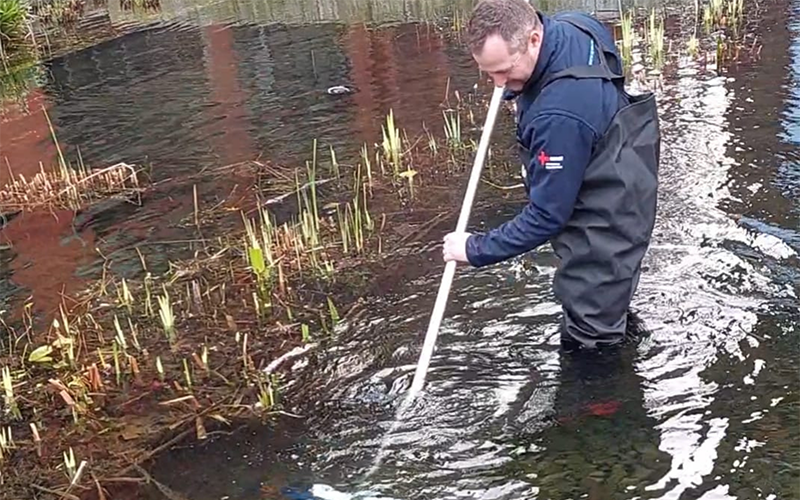
Surface care: Regular brushing prevents biofilm and mineral deposit build-up, while netting at least twice weekly removes wind-blown debris before it decomposes and affects water quality.
“The most successful approach combines consistent in-house daily and weekly care with periodic specialist inspections and support,”
adds Harwood.
“Your team handles routine maintenance whilst specialists provide expertise, equipment servicing, and problem-solving.”
Sustainability Benefits
Consistent winter maintenance delivers environmental and financial benefits. Features receiving regular care require fewer repairs and replacements, reducing waste and resource consumption. Proper chemical management reduces environmental impact, whilst well-maintained equipment lasts longer.
“Every problem prevented through regular maintenance saves resources, reduces waste, and lowers costs,”
notes Harwood.
“Winter maintenance is an investment in sustainability and spring readiness.”
Professional Support Available
Waterscapes provides comprehensive winter maintenance support including professional water testing, equipment servicing, maintenance training, and complete winter care contracts. With over 20 years of experience across corporate, municipal, and private water features, the team understands the challenges facilities managers face.
Read the full guide: For comprehensive step-by-step guidance on winter water feature maintenance, read the complete article at - https://waterscapes.co.uk/blog/winter-water-feature-maintenance